Kawasaki disease prognosis

Kawasaki disease prognosis


What is the prognosis?
The condition is most benign and self-limiting, but it can therefore, rarely cause serious heart complications. Without proper treatment occurs aneurysms in 20-25% of cases and myocardial infarction in 1-2%.

At present, treatment with immunoglobulin and ASA, reduced the percentage of aneurysms below 5%.

Kawasaki Syndrome Facts

Febrile illness in children with rash, mucosal changes and lymph node enlargement.

The condition is self-limiting, but untreated it develops in 20-25% bulge in the blood vessels, especially coronary artery to the heart.

The disease affects children aged three months to 12 years, 85% are under five years a . Isolated cases in adults are described.

There are a number of factors that contribute to disease. Indications are that there is an infection that triggers the disease.

Symptoms can vary. It Must have a fever for more than five days, conjunctivitis, rash, changes in the oral mucosa, changes in the hands and feet, lack of effect of antibiotics, lymphadenopathy in the neck (often lacking).
Kawasaki disease prognosis

Since diagnosis is difficult to ask, many will get antibiotics without help.

The dilemma is the risk of complications and serious sequela.

Kawasaki syndrome

Kawasaki syndrome


Follow-up
Plan for follow-up depends on several factors. These include the age when one becomes ill, the effect of treatment and the size of any ballooning of the arteries. The current guidelines released in 2004.

Doctors found no or small, transient changes in a coronary arteries, there is no need for special attention beyond the medical checkups every 3 to five years. These controls should include an assessment of the overall risk of cardiovascular disease and counseling to reduce this. There is no need for special inspections or monitoring by the cardiologist.

Doctors found a small change in the coronary arteries; the child should continue with medication (ASA) until the changes have gone back. There are no restrictions on physical activity except for the first 6-8 weeks in children under 11 years. Children over 11 years of age must receive individual advice on physical activity depending on the findings on cardiac examinations. After the initial phase of illness, it is recommended annual follow-up by the cardiologist.
Kawasaki syndrome

In the case of larger or more ballooning of the arteries, put the child on long-term treatment with blood thinners. Contact Sports discouraged until the cardiologist may find that the changes have gone back. It is recommended follow-up twice a year by the cardiologist. The same recommendations apply if it is shown that the arteries are clogged.

Kawasaki disease treatment

Kawasaki disease treatment


Treatment
Since the condition is reminiscent of an infection and the diagnosis is difficult to ask, many will have received antibiotics without effect. Regardless of the disease in its acute phase transition by itself.

The dilemma is the risk of complications and serious sequela. If the diagnosis is made, doctors will therefore provide direct immunoglobulin in the blood to reduce the harmful effects of the disease. This treatment provides rapid improvement in the condition with fever of freedom within one to two days. The treatment also reduces the risk of later heart disease. There will also be given acetylsalicylic acid (ASA, ex. Dispril) in a few weeks.
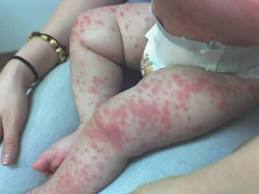
Kawasaki disease diagnosis

How is the diagnosis?
Diagnosis is made primarily on the medical history, and finds the doctor do when the child is physically examined. Blood tests do not contribute to make any definite diagnosis, but may be instructive. X-ray of the lungs can sometimes show mild pneumonia-like changes.
Kawasaki disease treatment

If doctors suspect the diagnosis, the echocardiogram show changes in the heart that support the diagnosis.